Overview
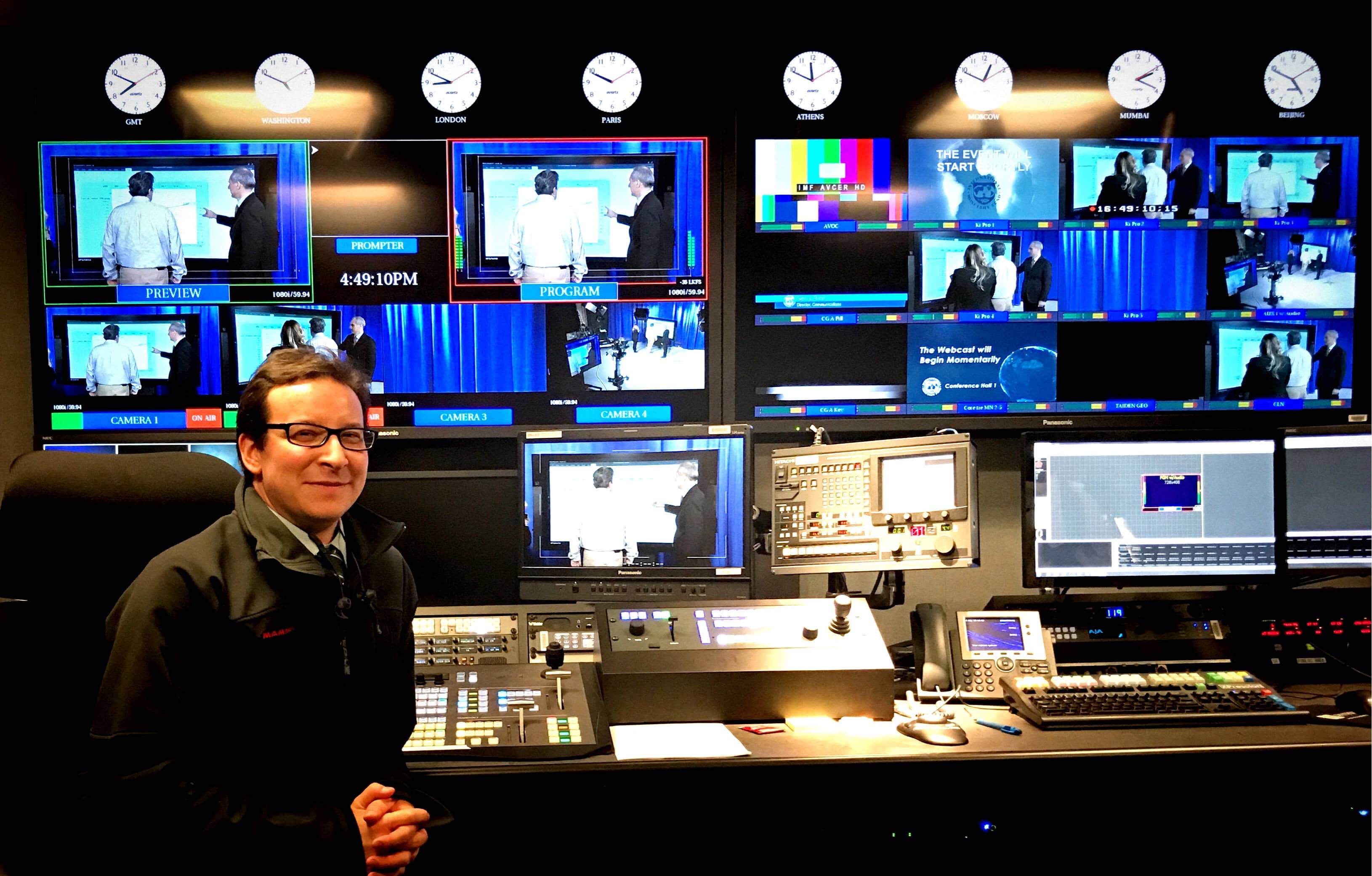
In parallel to instructional/learning design, I was very active in designing educational multimedia at the IMF. Like most small Massive Open Online Courses (MOOCs) teams at the time, video for courses was recorded in essentially a closet with a chair for the presenter, a colored backdrop, and a small video camera on a tripod. But lucky for me when I arrived, we began to work with creative services using a small and soon to be decommissioned studio. This was enough to get some creativity going, including learning the basics of video production.
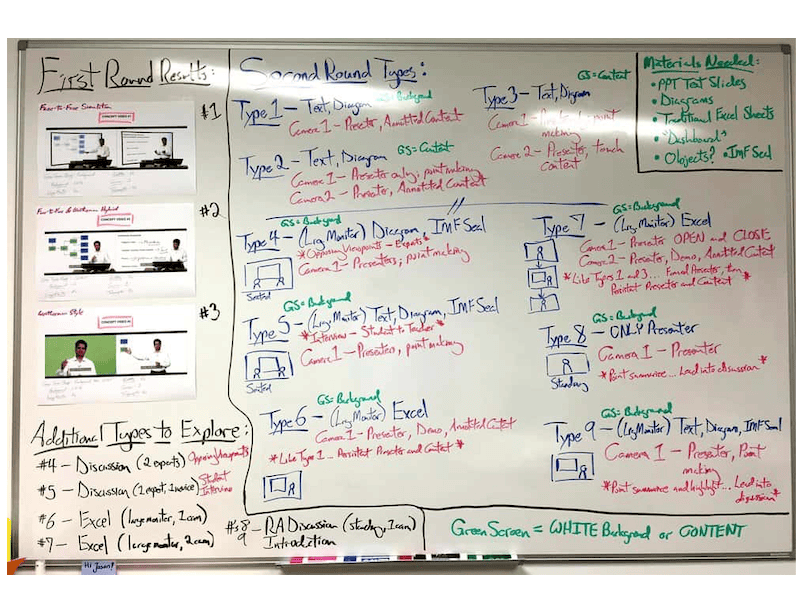
Within the second year I had many ideas of how we could record and design graphics for multimedia. I was inspired greatly by other universities creating MOOCs at the time. So I literally went to the drawing board and drew out a series of concepts for how we could record best to support our needs. I pitched the idea to a few economists I was working with, including my leadership, and was told make a prototype. I ended up making 10 prototypes.
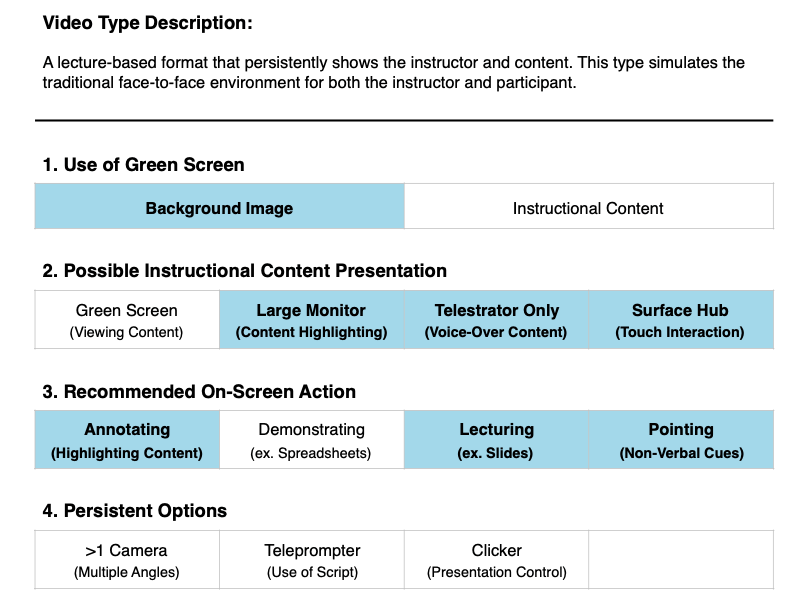
In the midst of creating the concepts a new team member joined with deep expertise in multimedia design. Combining our imagination, we created a menu of video types. From there and the support we gained, we transformed multimedia production, including the media design process. It became highly collaborative and some great products and change came out of it.
Artifacts
If anything, MOOCs are a great source of learning data and can be a great learning experience. However, they can take anywhere between 2-10 months to create depending on the scope of content and produced media. Producing too much media is unsustainable, but not producing enough and of a high enough quality, and learners will disappear. So we aimed to strike the balance.
The following shows a small bit of that process through media design. It was guided by concepting and prototyping designs while working within our team and with the creative professionals at the IMF. Then within the learning design process, media design was a part of content discussions and actively visualizing content to ideate towards potential storytelling graphics. Finally, it all came together in produced video.
Video concepting
These examples show the start and end of prototyping additional option for video beyond voice-over PowerPoints. Most of the planning was done on a whiteboard so as to use minimal hours in the studio record 1 minute segments for demonstration purposes. In the end, we had 10 options for different types of content and instructor preferences.
Media design process
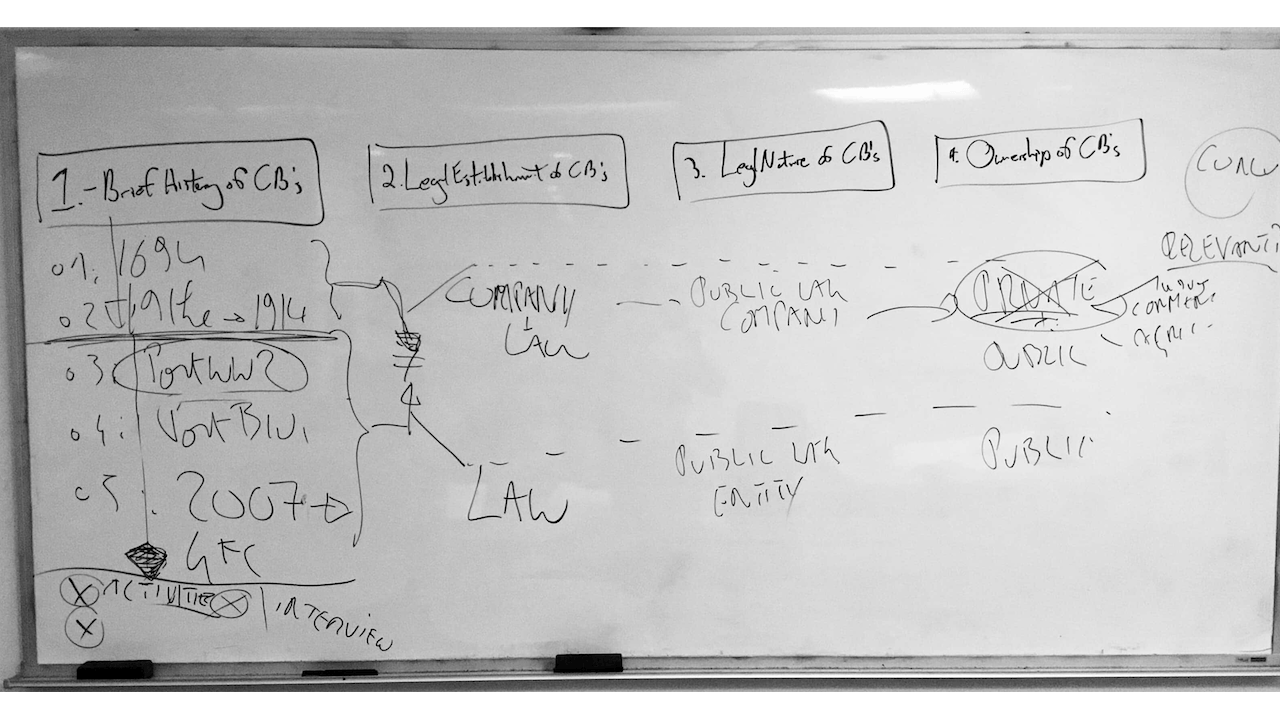
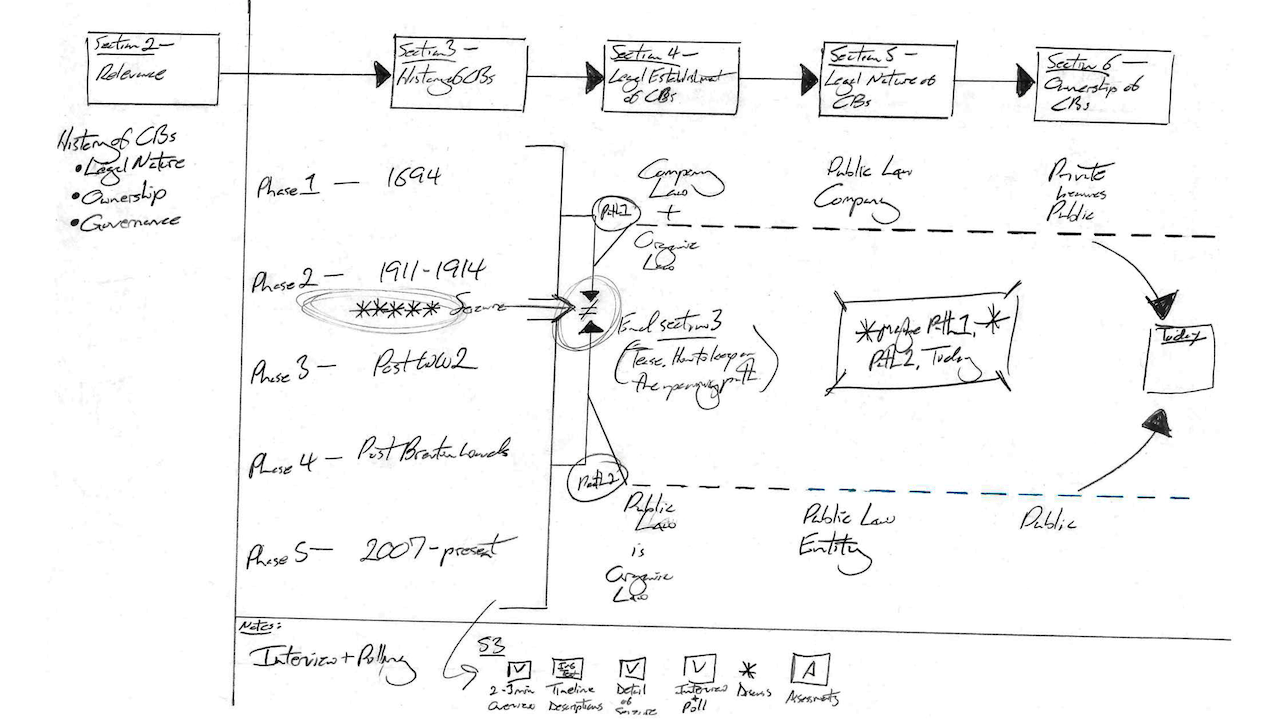
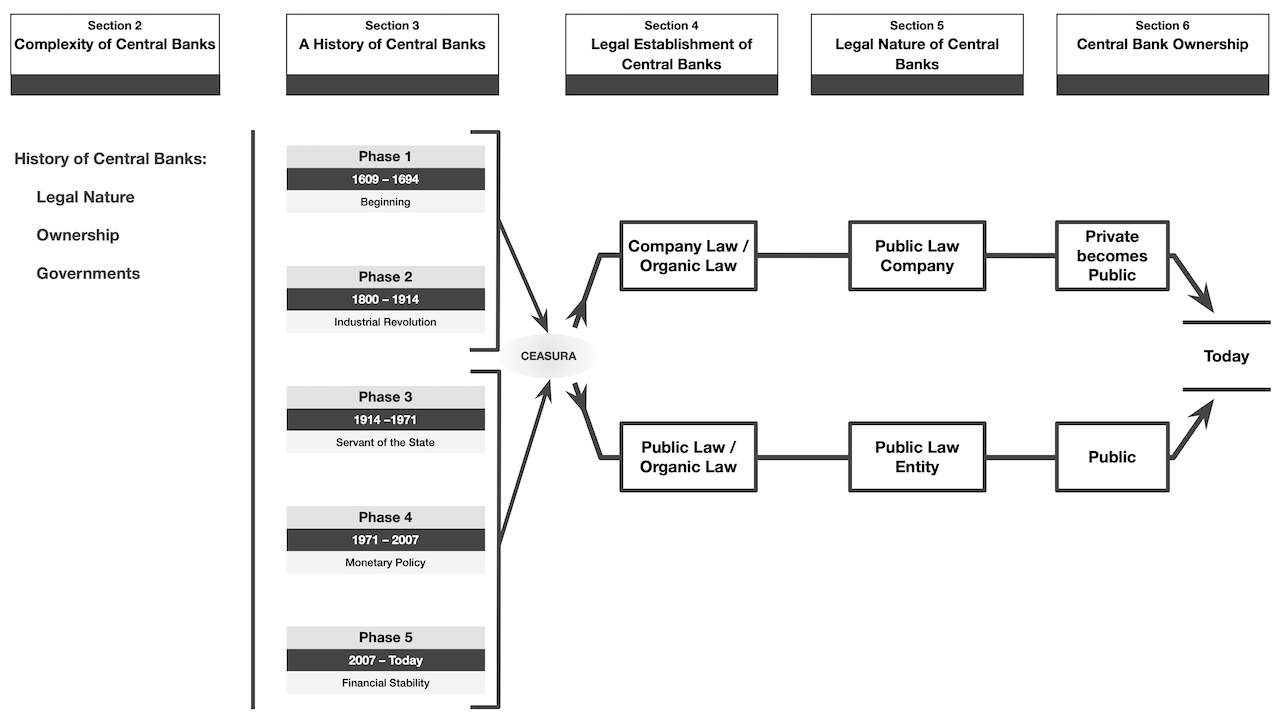
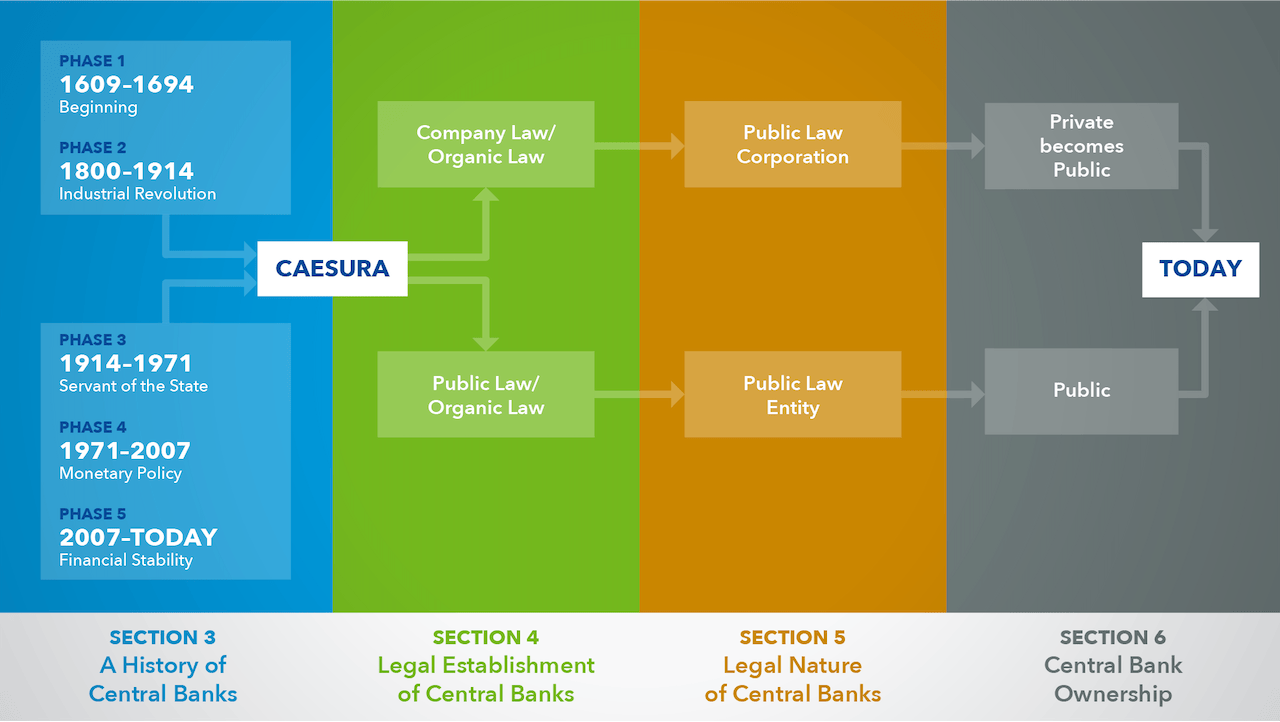
In this example you can see the progression of creating an instructional graphic from whiteboarding to final graphic. This became a common process while conducting learning design sessions, talking through the content, and asking instructors to teach it to me/us. After a few times, it became quite fun for everyone involved.
Finished product
In the end, we would come out of the design phase with videos fully thought through for presentation on camera, and planned for production. Minimal hours were spent in the studio as each person knew exactly what the were responsible for. In this example, you can see how it all came together with the graphic above.
This video has no sound and has been purposefully sped up 4×. It is only meant to provide the concept of the final product.
Impact
We completely changed how multimedia was designed and produced for Massive Open Online Courses. But in the years that followed my tenure, I can still see today within the Institute for Capacity Development YouTube channel the impact of what colleagues and I did at that time. Videos became tight with a clear focus, included standardized graphics with icon sets, and strategically used animations. But most importantly, the make the viewer want to learn.
For myself I learned tremendously about multimedia production, as well as how to do it smartly saving both time and cost. I took these lessons with me and applied them at The George Washington University while transforming learning and media operations. There is no doubt that this is one of the more fun parts of learning design. But it is also one of the hardest to do well and admire those who produce beautiful products operationally well.