Overview
As the inaugural Instructional Designer at the IMF, my core function was to design and develop Massive Open Online Courses (MOOCs) in economics and law. Building learning experiences was nothing new as I had done it for more than 10 years by that point — along with teaching for 8.5 of those years. But it was both a large scale effort and a start-up simultaneously. Borrowing from lessons while serving as an Instructional Designer at the Massachusetts Institute of Technology (MIT), I created a range of steering documents that could be shared and discussed with subject matter experts (and colleagues) as we began to work together. For many of them, I was attemping to solve a common question: What's an Instructional Designer?
With that settled, we could get to work.
Beyond establishing who I was and what I was there to do, I brought an educator's perspective to the organization. I led design and conversations by centering my approach and sharing adult learning principles, steps for systematic design human-centered design principles, the importance of relevancy to the learner, the value of emotional impact, and why and how to use educational technologies. I was within online learning, but I also attended in-person trainings to observe and provide feedback.
Artifacts
While I led the process, building online courses was a team effort. It involved program managers, creative professionals, and on average 4 subject matter experts per project. I used steering documents as a guidance base and led a weekly design process that I made active for all participants. This led to ideating on multimedia design and jointly creating graphics, video production styles, and page designs for the finished product.
Steering documents
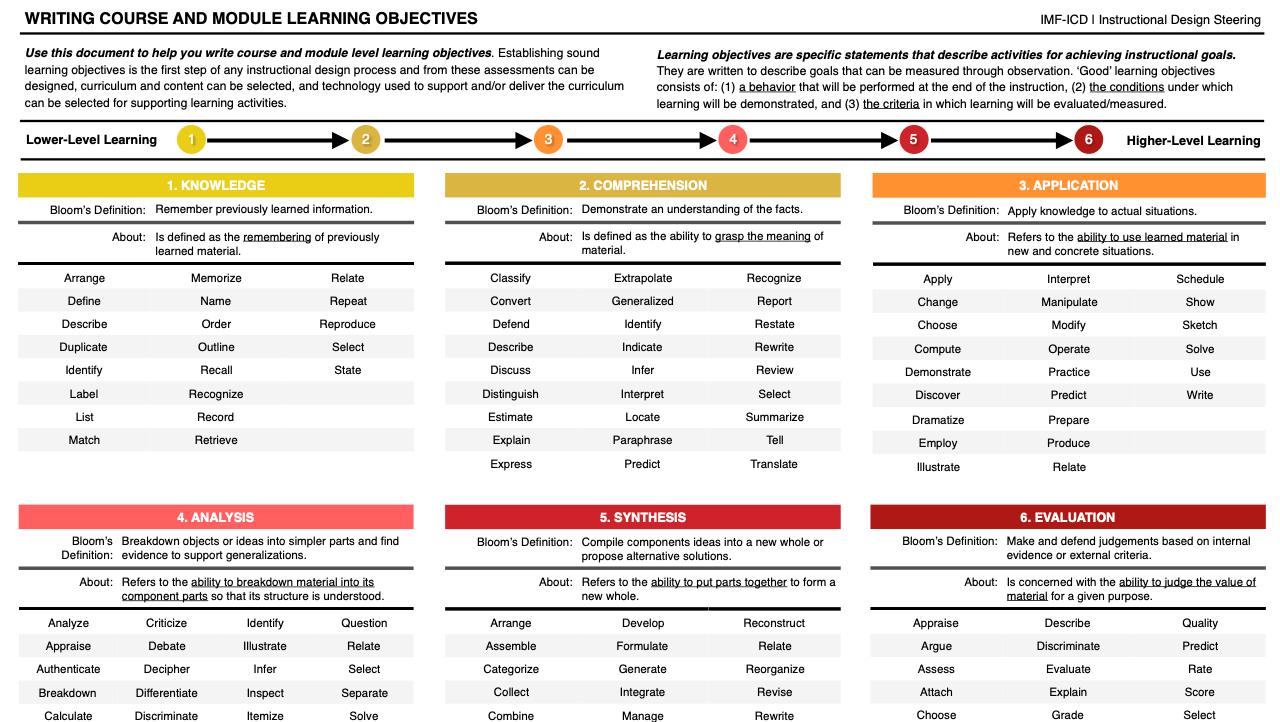
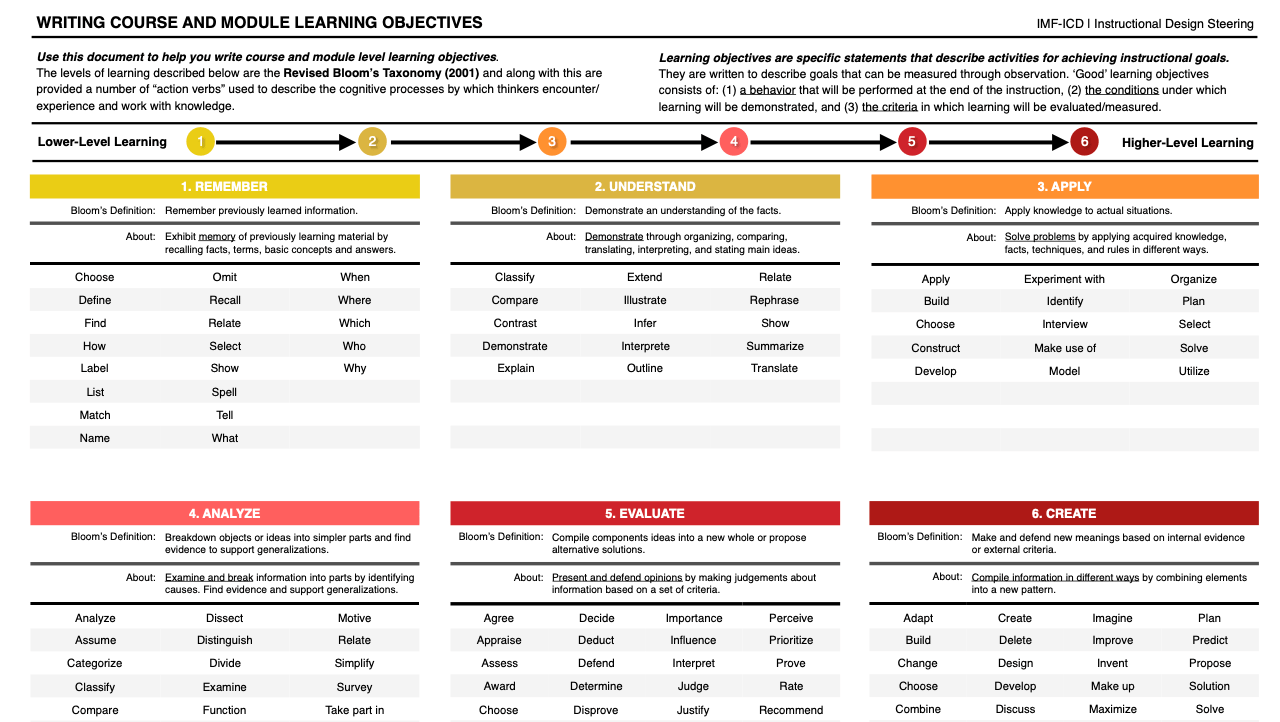
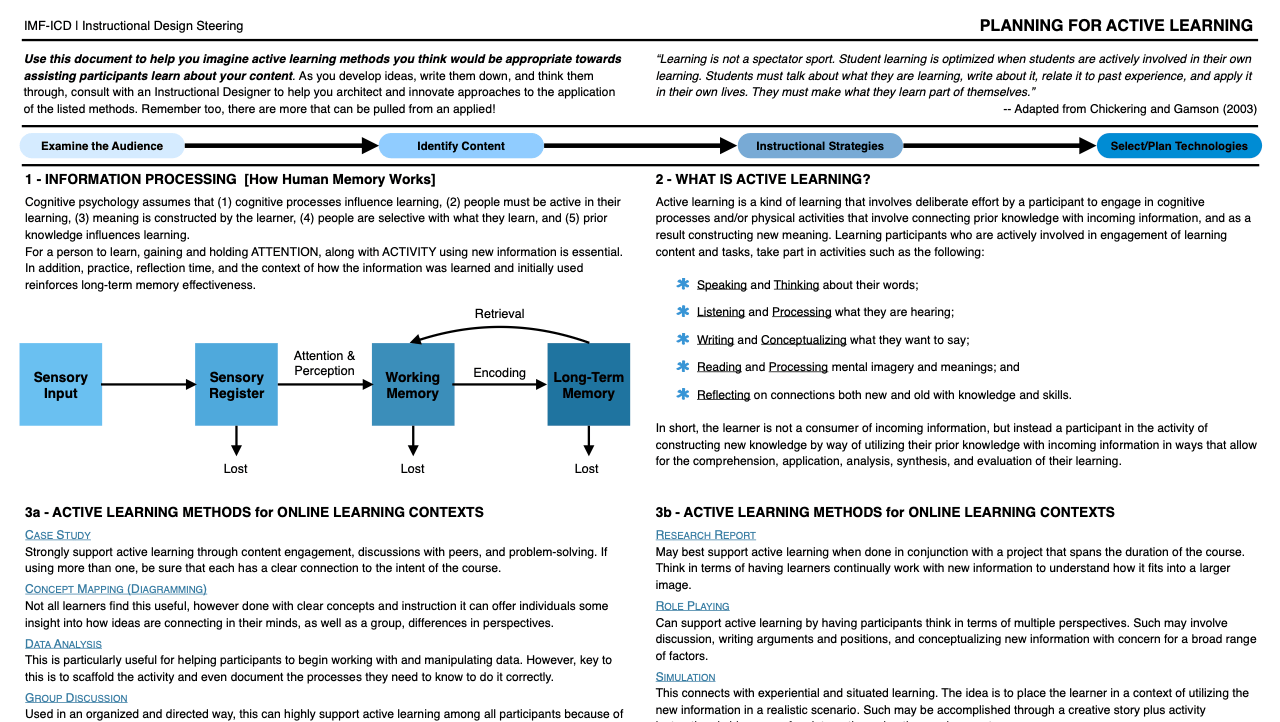
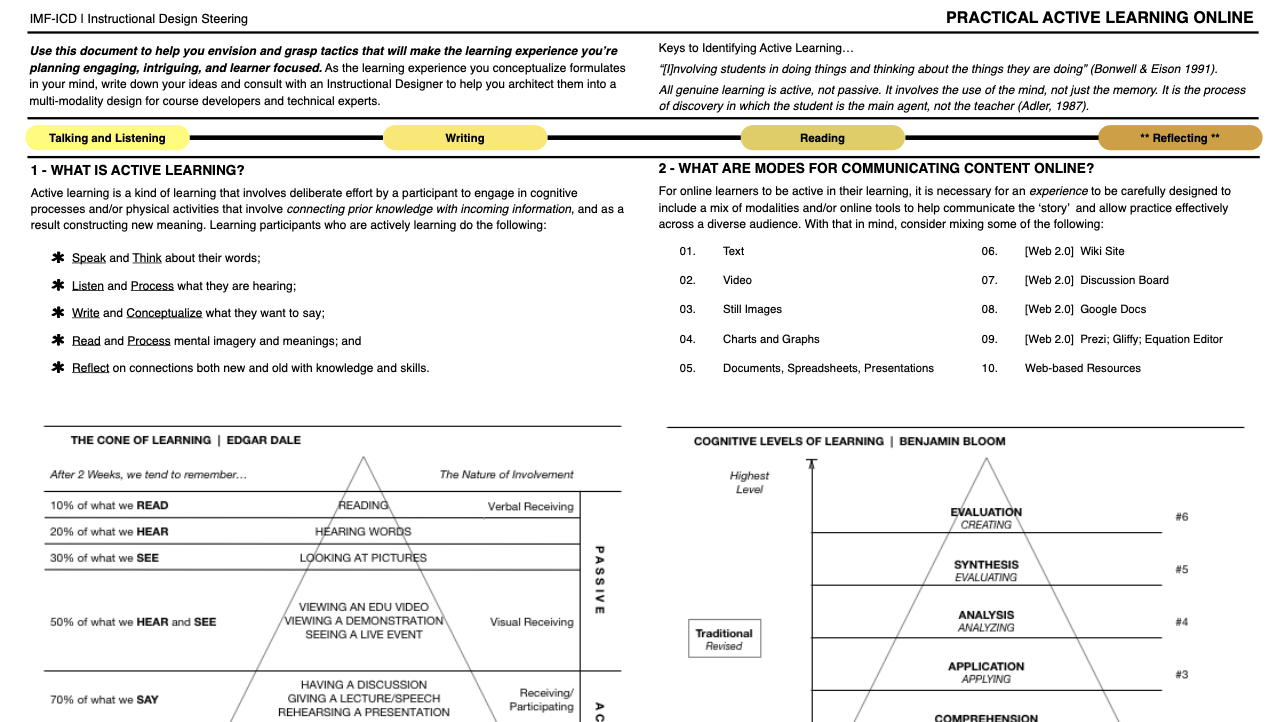
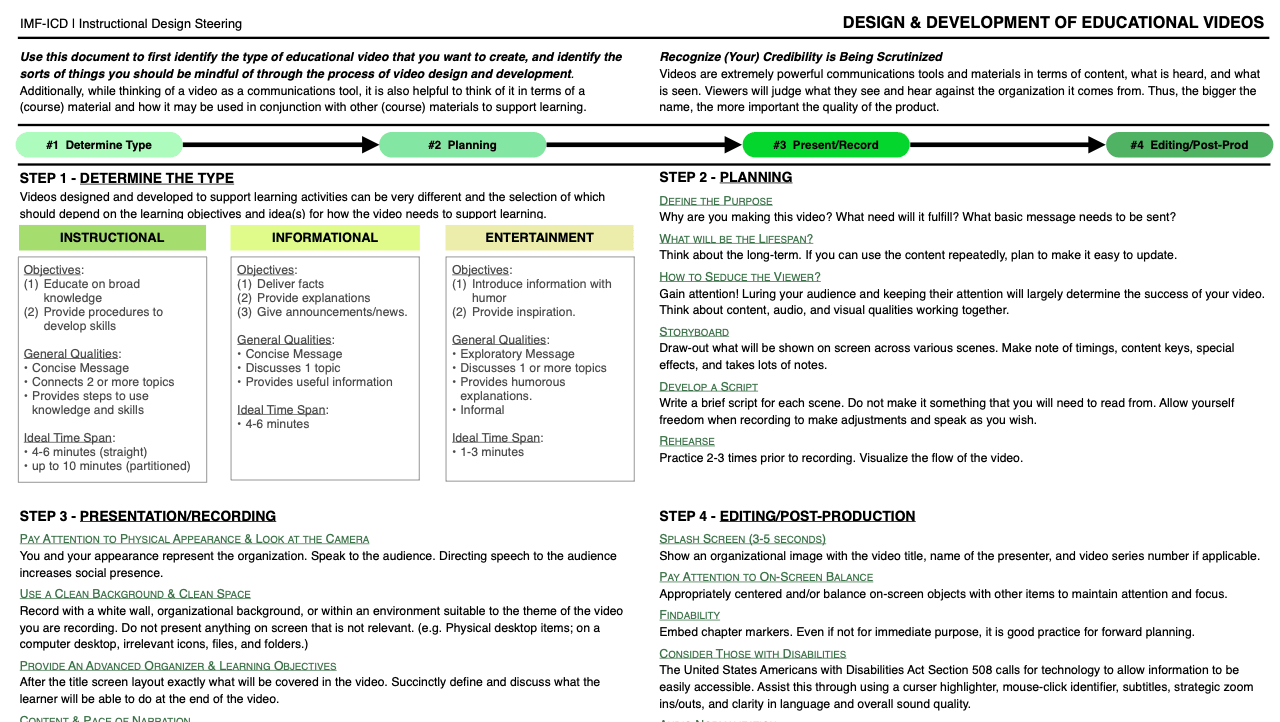
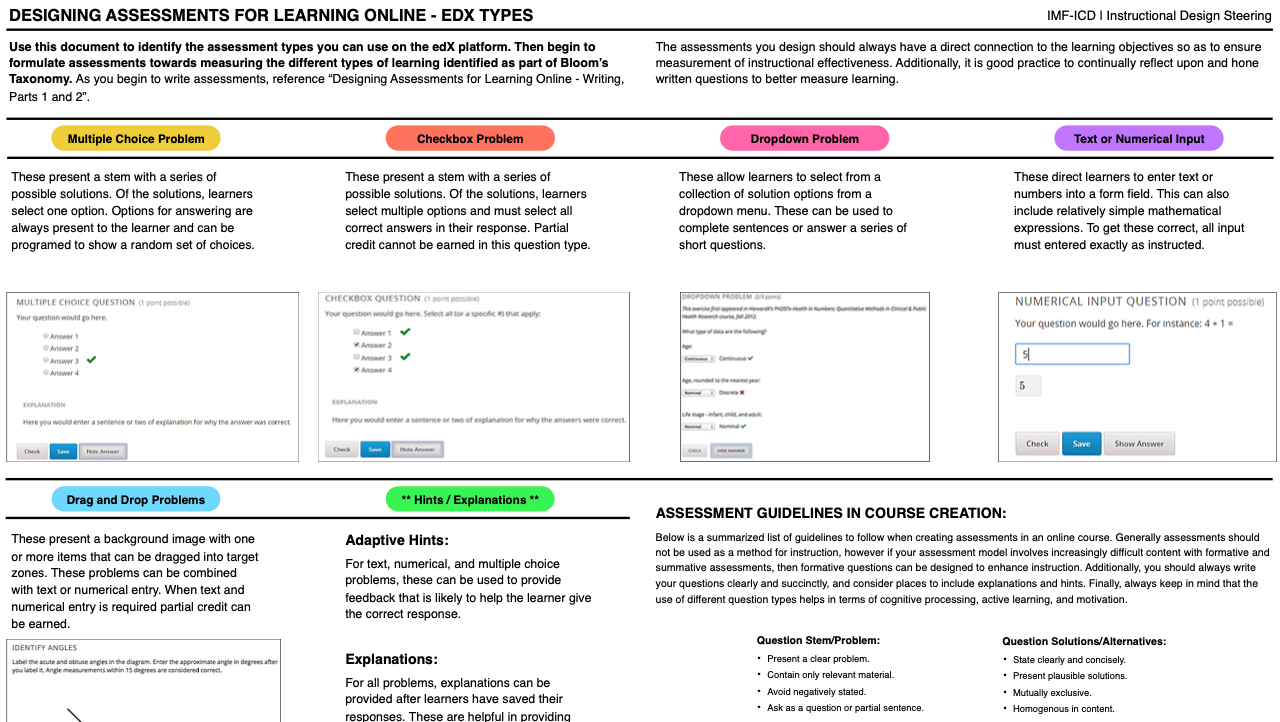
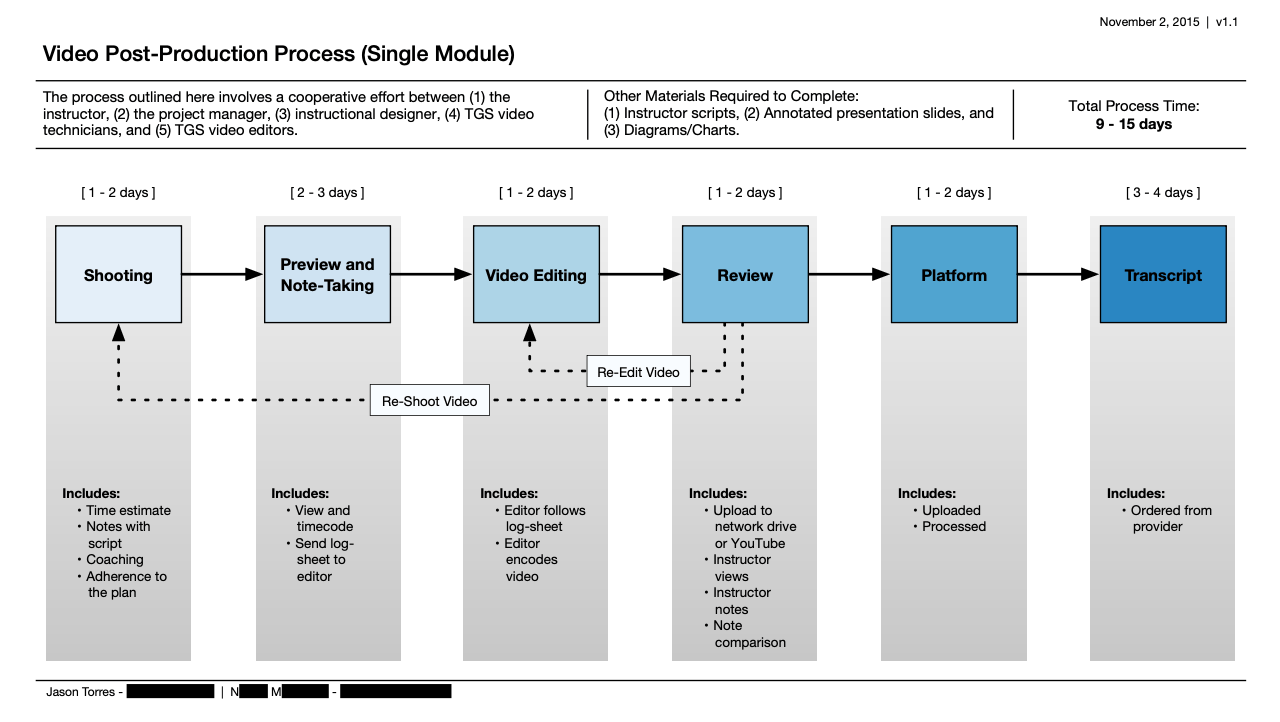
These formed a foundation for asynchronously communicating some of the things that were important through the course development process. Of these, the documents on writing learning objectives (2001), assessments design, and video post-production process remained central to design discussions through my tenure. These combined with the course development roadmap helped collaboration and setting the stage for instructional design.
Active design
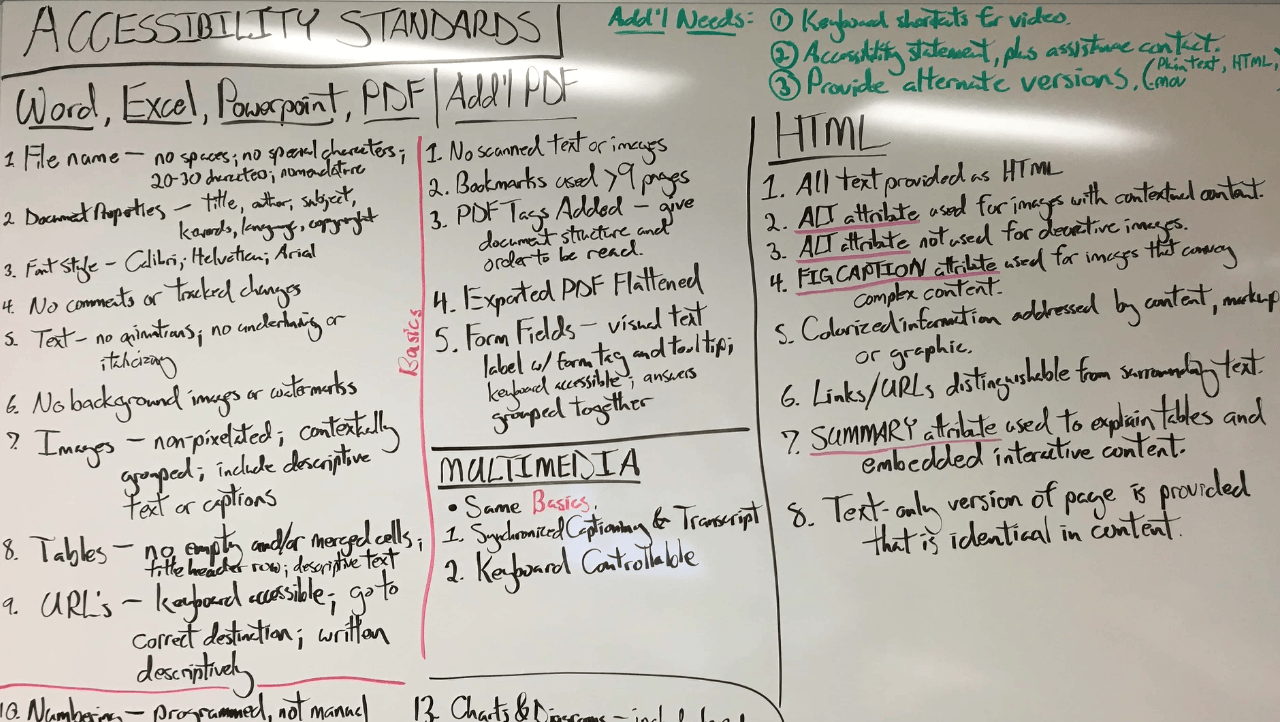
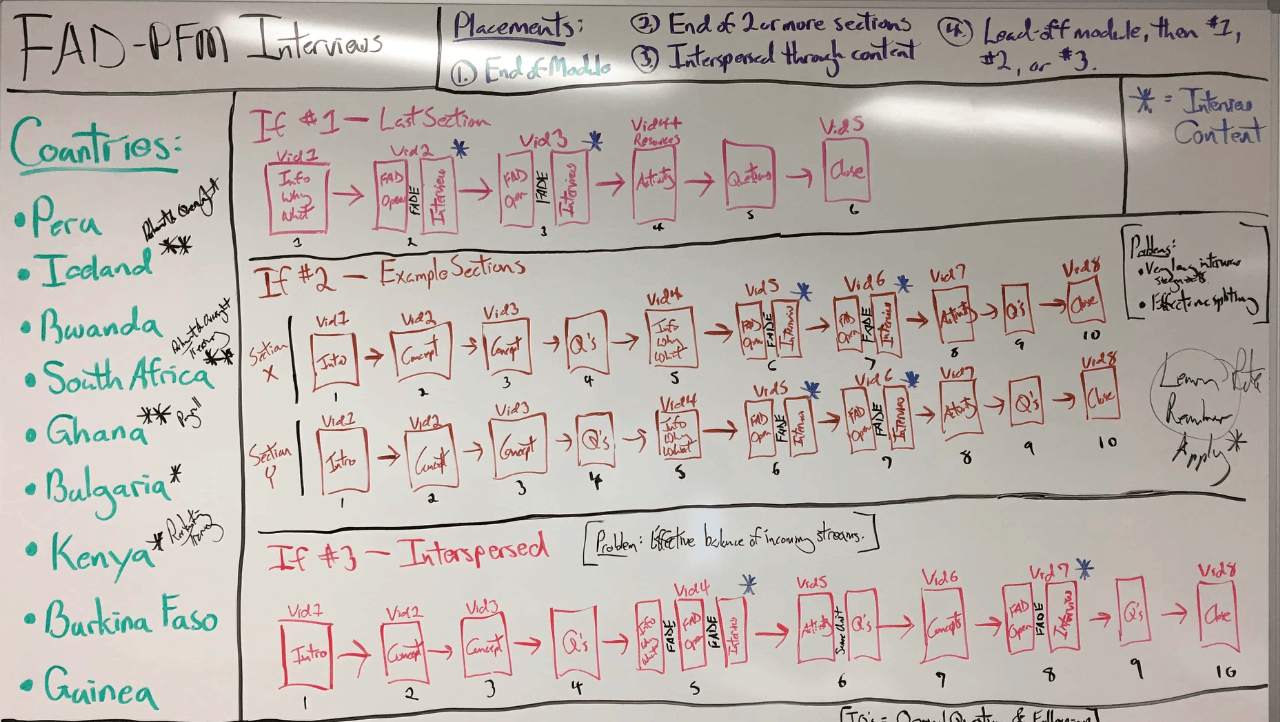
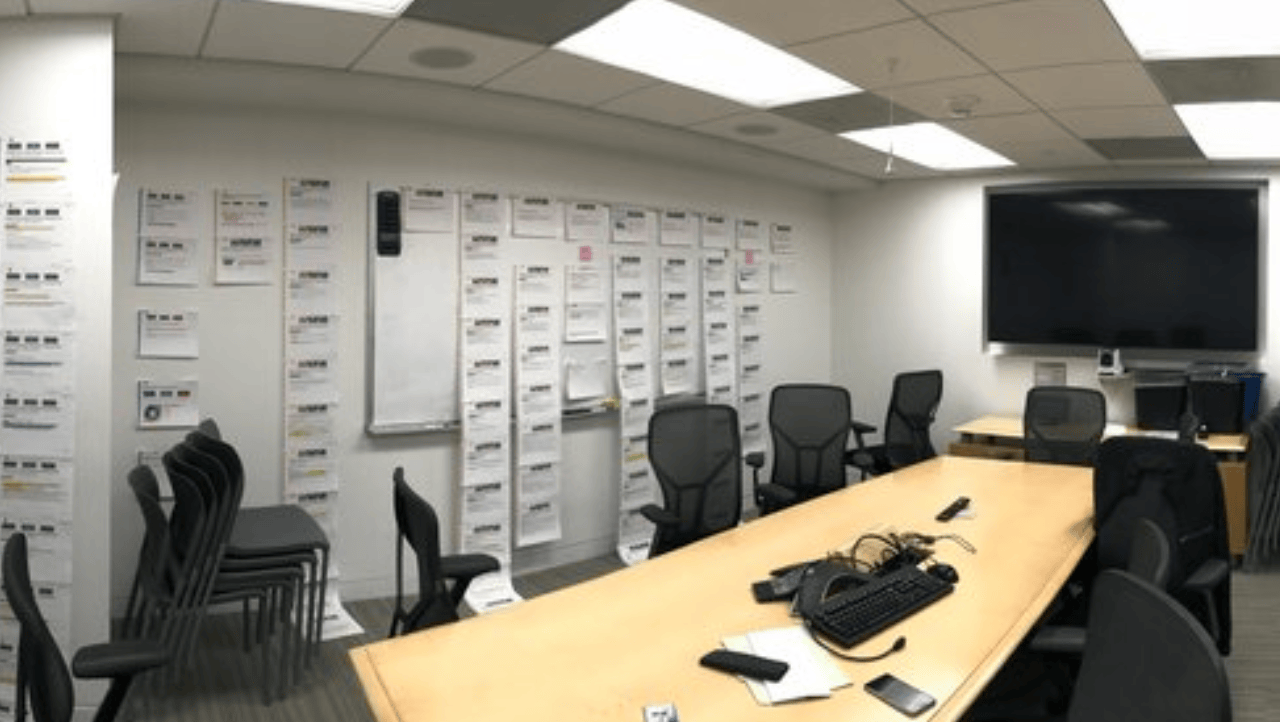
While a lot of instructional design can be done asynchronously, I prefer when I can do it with people. But more than anything, I like to make course design active and fun for my collaborators. I love to use whiteboards — even digital whiteboards — and setup environments where design can be a tactile experience. Everytime I did this, I had very happy clients and participants that felt ownership in the outcome.
Foundations of Central Bank Law (FCBLx)
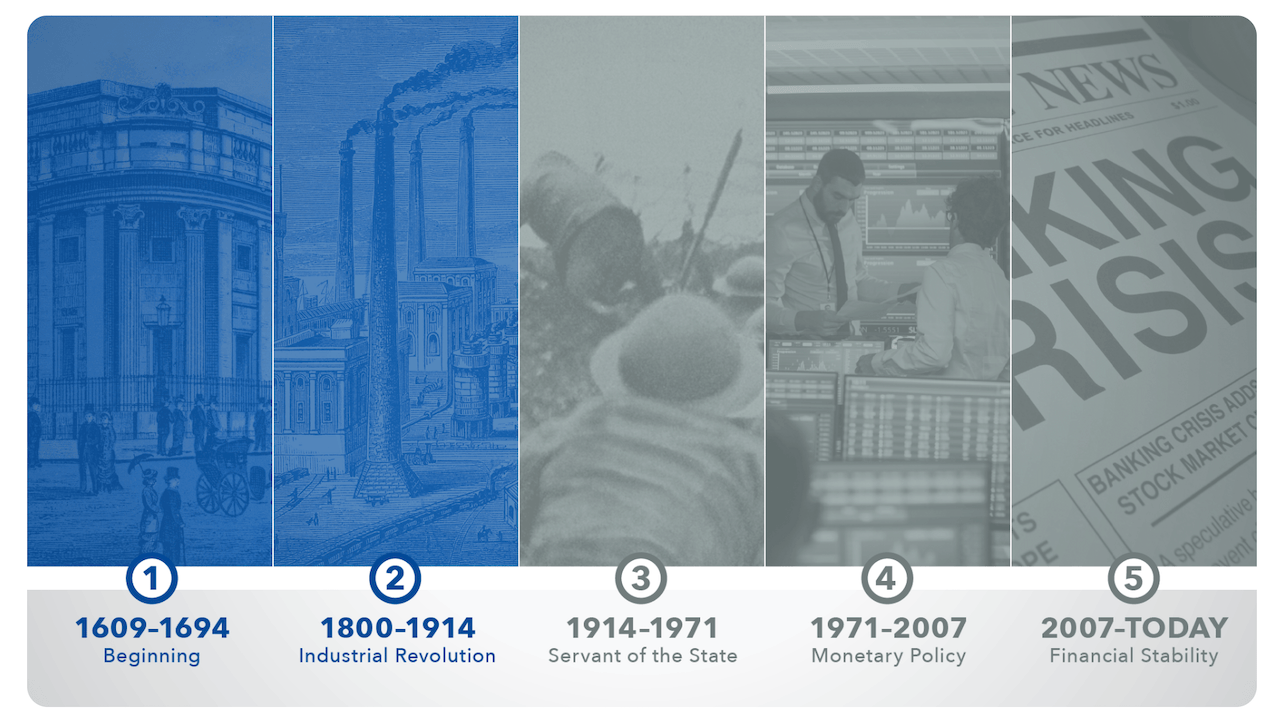
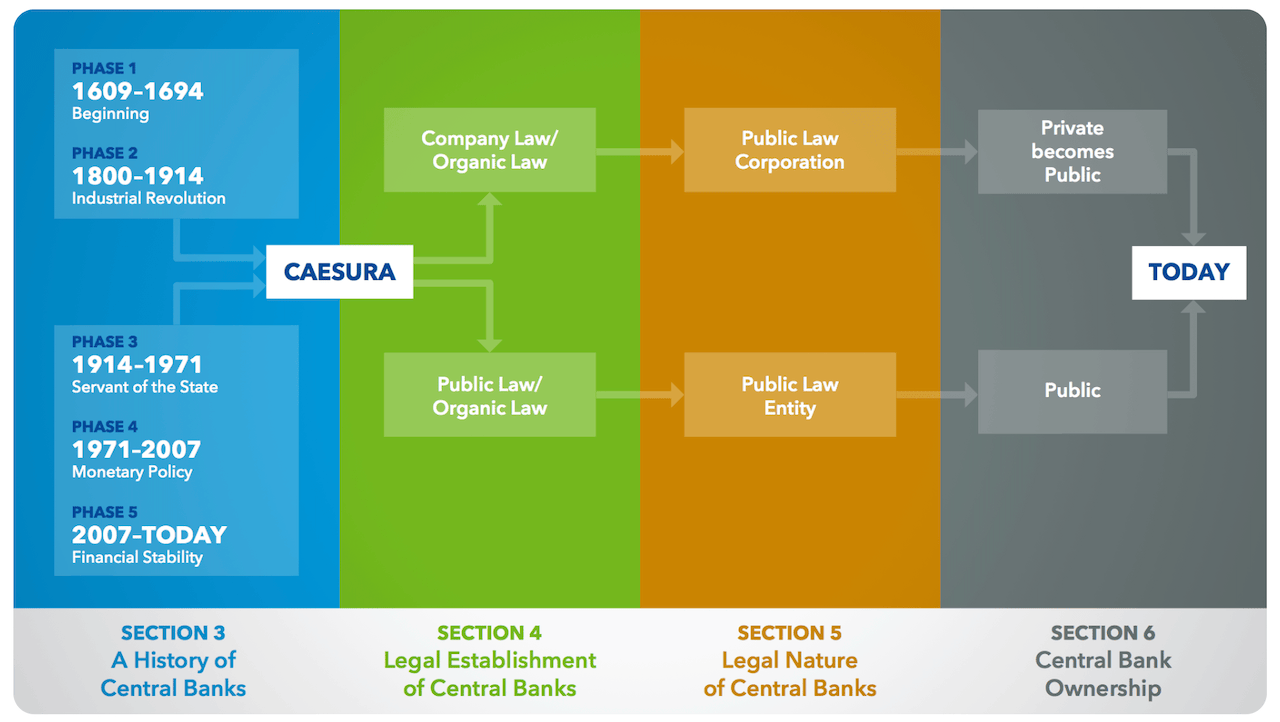
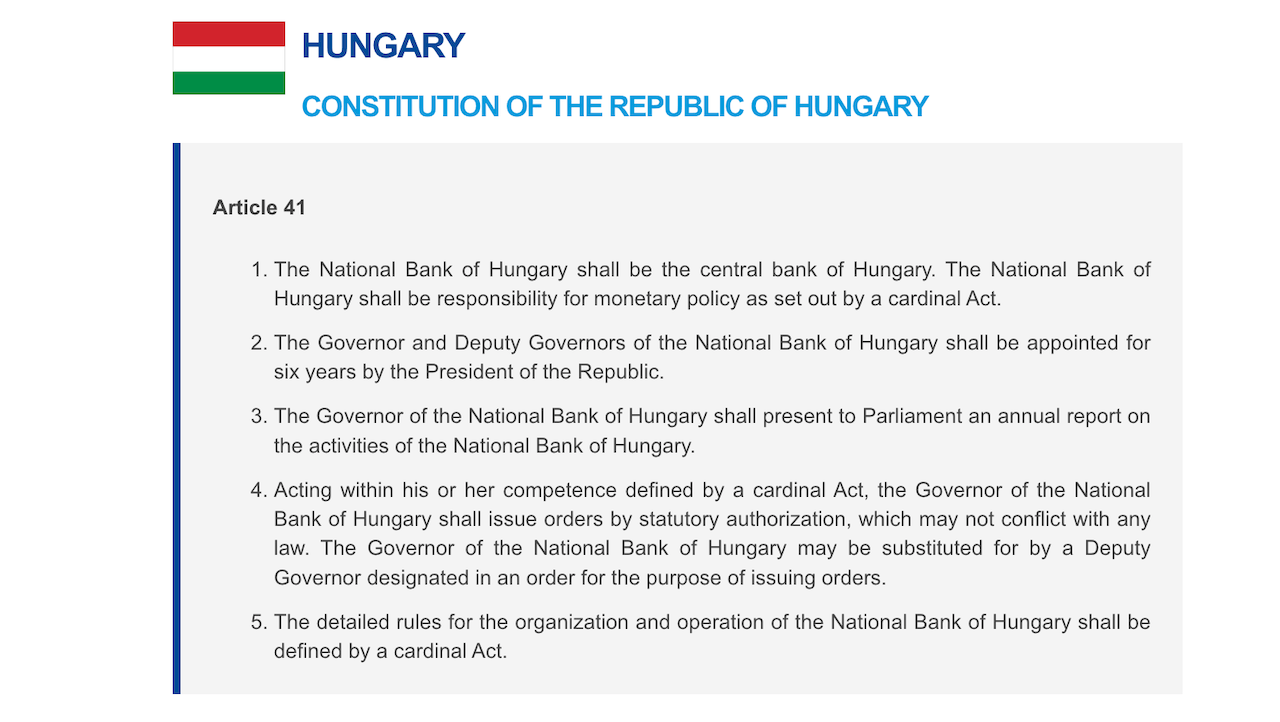
FCBLx was the final course I was able to work on at the IMF. I had fantastic partners who wanted to imagine something new like me. And I had a creative partner who taught me a great deal about the multimedia production process. Working together we created a visually unique and rich learning experience. The following are some screenshots from module 1 of that course.
Impact
Instructional Design was something entirely new for the IMF, but it was something needed to build online learning as well as begin to re-think and evolve in-person instruction. Over my 4 years, I made learning design a systematic process rooted in learning science and care for visual design. I helped enough people to rethink training as an experience and at the same time view building learning experiences as an opportunity to have fun. I am immensely proud of this work, admire the people I worked with, and excited to see how it has grown in the years since.